
About Hometown Smoky Roofing Repair
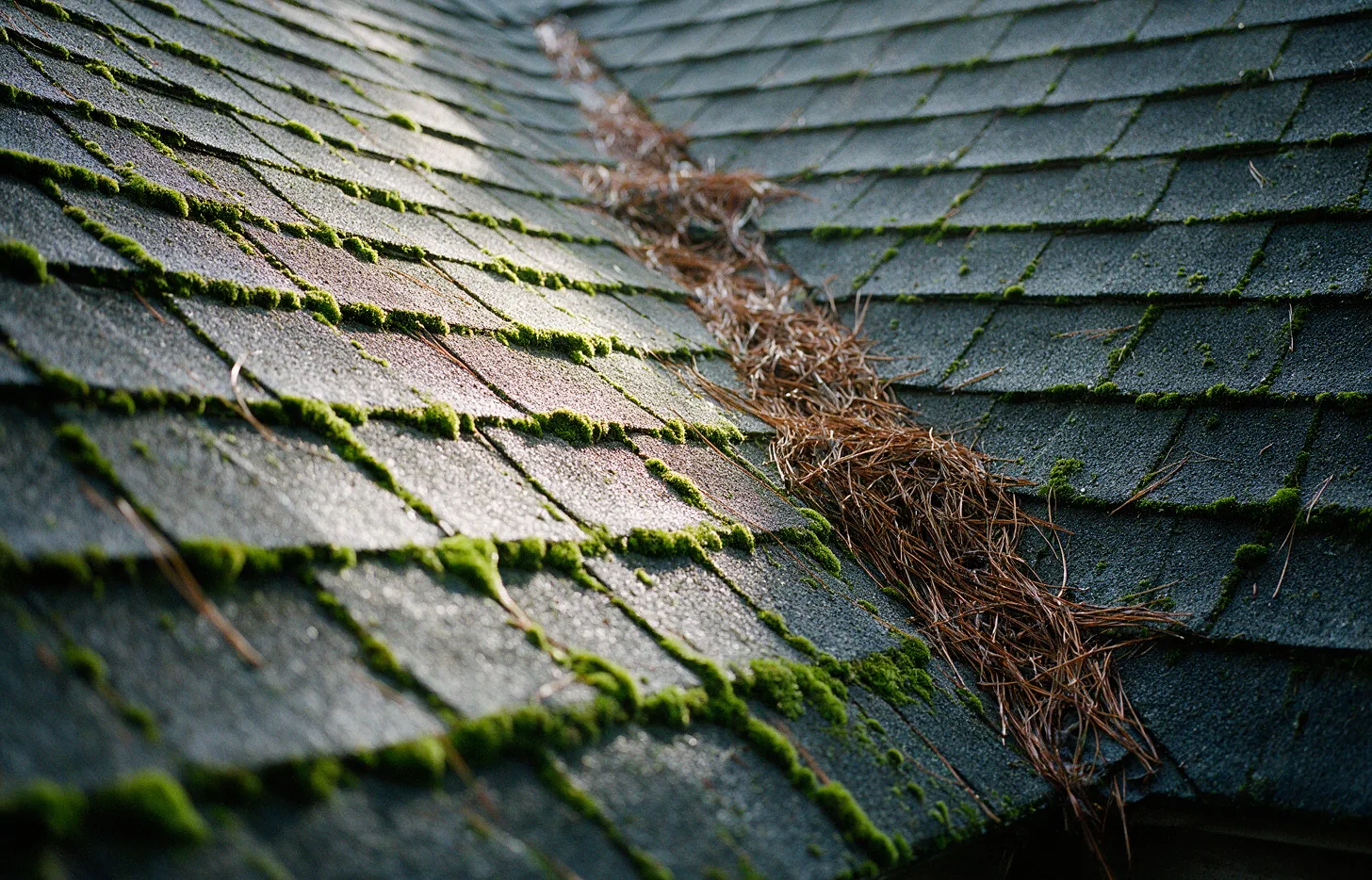
Hometown Smoky Roofing Repair handles roofing calls by sending technicians who examine the full slope, check for water entry points around chimneys and skylights, and note how shade from nearby trees encourages moss that holds moisture against shingles. Homeowners receive clear details on what was found and what steps can stop further damage.
Questions about a job? Start on the Hometown Smoky Roofing Repair homepage or call (855) 694-6549.
Clear Explanations
Technicians show photos and point out exact leak sources so homeowners understand why each repair step is needed before work begins.
Site Restoration
Every visit ends with debris removal and a ground sweep so the property looks unchanged except for the fixed roof sections.
Slope Awareness
Steep sections and shaded areas receive extra checks because moss and water pooling show up fastest where drainage slows.
Homeowner Prep
Simple tasks like gutter clearing are suggested only when safe for the homeowner, keeping focus on the roof issues found.
Taking the Initial Call
When a homeowner reaches out about a suspected leak, our technicians ask about recent weather, visible stains on ceilings, and any metal panels or valleys that might be involved. This helps prepare the right tools for checking steep slopes where footing matters most. They also note whether trees overhang the roof, since damp shade often leads to algae streaks and lifted granules that let water reach the decking.
Technicians confirm the address details and any access points like gates or ladders already on site. This keeps the visit focused on the actual roof condition rather than searching for entry. Homeowners can safely clear loose debris from gutters beforehand if they feel comfortable on a ladder, which helps the inspection move straight to the upper sections.
Approaching the Job Site
Upon arrival, technicians walk the perimeter first to spot fallen branches, gutter overflows, or fascia rot that might connect to interior leaks. They then set up on the roof using proper anchors on steep pitches, starting at the lowest edge and moving upward to trace water paths. Metal roof seams receive extra attention where thermal movement can open small gaps over time.
Chimney flashing and skylight curbs get checked for cracked sealant or missing step flashing that allows runoff to enter. Roof vents are examined for loose collars that let wind-driven rain past the boot. Each area is photographed so the explanation later matches exactly what was seen rather than relying on memory alone.
Explaining the Findings
After the inspection, technicians meet the homeowner at ground level and point out the specific issues using the photos taken. They show how a valley crease can collect leaves that hold water against the metal, or how hail dents on asphalt allow granule loss that speeds aging. No recommendations are given until every concern has been walked through.
Homeowners learn which repairs can be handled with targeted sealant versus full panel replacement on metal sections. Technicians also note any preventive steps like trimming branches that currently drop debris onto the surface, helping prevent repeat visits for the same moss or debris buildup.
Finishing the Work Area
Once repairs finish, technicians sweep all metal shavings, old sealant tubes, and fallen granules from the roof and gutters. They check that tarps used for temporary coverage during hail damage jobs are rolled without leaving residue on siding or decks. The ground around the house is scanned for any dropped fasteners or scraps before departure.
Homeowners receive a list of what was replaced or sealed, along with photos of the completed sections. This record helps track future changes from weather or tree growth. Technicians also point out any spots still needing homeowner monitoring, such as valleys that collect more leaves after heavy winds.