
Roof Vent Repair in the USA
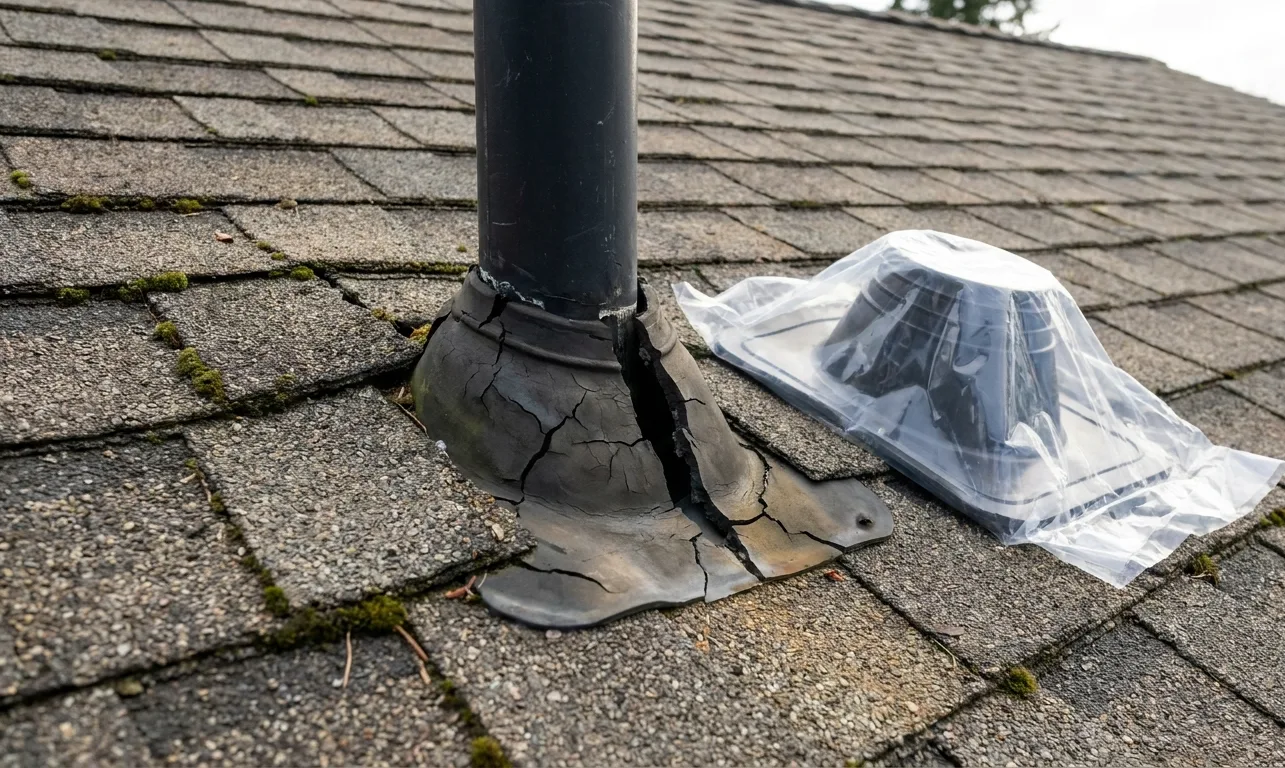
Roof vents push out moist air from attics but often leak when their rubber boots crack under sun exposure or when pine needles and moss pile up around the base in shaded roof sections. Our technicians locate these entry points by tracing water stains down rafters and checking where vent pipes meet the shingles on slopes with heavy leaf cover.
Homeowners can start by shining a flashlight in the attic during daylight to spot pinpoints of light or dark streaks around the vent collar without stepping onto the roof itself. Clearing loose debris from gutters helps slow water backup but does not fix the vent seal once the boot has split or the flashing has lifted. Details on handling roof vent repair appear clearly when you visit the Hometown Smoky Roofing Repair homepage from any USA location.
Common Indicators of Roof Vent Trouble
- Dark water rings on ceiling drywall near bathroom or kitchen exhaust points
- Musty odor in attic after heavy rain or snow melt
- Curling shingles or granule loss right around the vent pipe
- Visible gaps or dried out rubber at the base of the vent
- Drips forming on insulation batts directly below the vent opening
Why Roof Vents Fail Over Time
UV rays dry and split the flexible boot that seals the vent pipe to the shingles, letting water run under the roofing layers during storms. Tree cover adds another problem by dropping needles and seeds that trap moisture and grow moss right against the pipe collar on north facing slopes.
Improper original flashing leaves the vent exposed when wind driven rain hits the roof at an angle. Once the seal breaks, even moderate rain can send water along rafters and into insulation, creating the musty smell homeowners notice first in upstairs closets.
Steep roof pitches make the problem worse because gravity pulls debris faster into the low spots around the vent base where it holds water longer.
What Technicians Measure and Check
Our technicians first measure the diameter and height of the existing vent pipe to confirm it meets code for airflow before any repair begins. They also check the slope angle and how far the pipe extends above the shingles to prevent future snow or leaf buildup.
Next they inspect the condition of the metal flashing and the rubber boot for hairline cracks by running a gloved finger around the entire collar. Any separation between shingles and flashing gets noted so the repair plan includes new step flashing that ties into the existing courses correctly.
They examine the attic side for proper insulation clearance around the pipe to avoid condensation that can mimic a leak from the outside.
Repair and Replacement Choices
Small boot cracks can be repaired by removing old sealant, installing a new rubber collar over the pipe, and bedding it in roof cement that stays flexible through freeze and thaw cycles. When the pipe itself is dented or rusted through, technicians replace the entire vent assembly with a preflashed unit that matches the roof color.
On roofs with multiple vents close together, we sometimes recommend consolidating to fewer larger vents to reduce the number of roof penetrations that can leak later. Each new vent gets secured with ring shank nails and covered with self adhering underlayment extending several inches past the flashing edges.
For homes with steep slopes, technicians add extra rows of step flashing to direct water away from the vent on the uphill side.
Materials and Parts Used
Repairs use EPDM rubber boots that resist cracking better than older neoprene versions and high temperature silicone sealant rated for direct sun exposure. Metal flashing is cut from the same gauge aluminum or galvanized steel as the original to avoid galvanic reaction with existing nails.
We carry pipe boots in several diameters so the replacement matches the exhaust line exactly rather than forcing a universal size that leaves gaps. Underlayment strips go under the new flashing to create a secondary water barrier that catches any seepage before it reaches the decking.
All fasteners are ring shank to grip the sheathing even if the roof expands and contracts with temperature swings.
Roof Vent Repair questions
Can I fix a leaking roof vent myself?
Homeowners can safely inspect the attic for light leaks and remove loose debris from accessible gutters, but climbing onto the roof to replace boots or flashing is unsafe on steep or moss covered slopes. Professional tools are needed to cut and bed new flashing without damaging surrounding shingles.
How long does a typical roof vent repair take?
Most single vent repairs are finished in one visit once the technicians confirm the pipe size and roof pitch. The work involves removing old sealant, fitting the new boot or full vent assembly, and checking the attic side for proper clearance before leaving.
What causes roof vent leaks after a hail storm?
Hail can dent the metal flashing or crack the rubber boot even when shingles look undamaged. The impact often leaves small fractures that open wider once freeze and thaw cycles begin, allowing water to enter around the pipe during the next rain.
Do all roof vents need the same type of boot?
No, pipe diameter, roof slope, and whether the vent carries bathroom or kitchen exhaust determine the correct boot material and size. High temperature exhaust lines need boots rated for heat so the rubber does not harden and split prematurely.
Schedule Roof Vent Repair
Contact Hometown Smoky Roofing Repair to inspect roof vents that show stains or musty odors.